
Halloween 2026
10 Terrifying Halloween Stories With a Shocking Truth Behind Them
News You Need to Know. Tech You Gotta Have.
Some scary stories collapse the second we turn on the lights. Others get more unsettling when we check the records.
A farmhouse really did become the scene of an unsolved crime. A celebrated haunting has a surprisingly late paper trail. And one of America's most famous Halloween scares has an afterlife that may be bigger than the original event.
We've separated the historical record from the storytelling in these ten Halloween reads. They did not all happen on October 31; they belong here because they helped build the world of horror, haunted places, and frightening legends. A real location or tragedy does not make every supernatural claim attached to it true.
Content note: These stories discuss historical killings, child victims, slavery, and a death following exorcisms, without graphic descriptions.
10. Hinterkaifeck: The farmhouse mystery with no tidy ending
The isolated farmhouse, the unsolved killings, the terrible discovery: Hinterkaifeck has the ingredients of a horror screenplay. The underlying crime was real.
Documented: Bavaria's state archives report that six people were found dead at the farm on April 4, 1922. Investigators placed the killings on the evening of March 31. A suspected murder weapon was discovered during the building's demolition in 1923, and more than 100 police investigations had produced no resolution by 1930.
Where the story outruns the record: Popular accounts supply an almost cinematic intruder and a confident explanation. The archive's account does not establish a killer. We should resist assigning one, however convincing an online theory sounds.
The disturbing truth is the gap itself: a major investigation can leave a story unresolved. A supernatural explanation does not fill that gap with evidence.
Historical record: State Archives of Bavaria
9. Villisca: The haunted-house label came after the tragedy
Before the ghost stories, there were people who never made it through an ordinary night at home.
Documented: Eight people, including six children, were killed in the Moore house in Villisca, Iowa, in June 1912. The site's current operator acknowledges that the case remains unsolved despite suspects and trials.
Folklore and reported experiences: The house now markets tours and overnight stays alongside visitors' accounts of unexplained events. Those accounts are claims about experiences, not a solved crime or independent proof of spirits.
That distinction changes how we read the place. Calling it haunted can make an old house feel like a movie set, but the historical victims were real. The strongest version of this story does not need us to turn every sound into a message from them.
Site history and current presentation: Villisca Axe Murder House
8. Dracula: The “real vampire” connection is less straightforward than advertised
“Dracula was real” is a terrific hook. It is also a shortcut through a much messier literary history.
Documented: Bram Stoker's novel appeared in 1897. His surviving research notes and early ideas are held at Philadelphia's Rosenbach Museum & Library. Oxford University Press explains that Stoker considered the name Count Wampyr and researched his settings without visiting Eastern Europe.
Disputed interpretation: How much the historical Vlad III shaped the fictional Count is debated. OUP specifically challenges the familiar claim that Vlad the Impaler was Stoker's principal inspiration. A shared name does not establish that the novel is a disguised biography.
The surprise is that one of horror's most convincing places emerged from research and imagination. We can enjoy Dracula without treating the Count as a historical person—or claiming a historical ruler was an actual vampire.
Research context: Oxford University Press · Stoker's notes: The Rosenbach
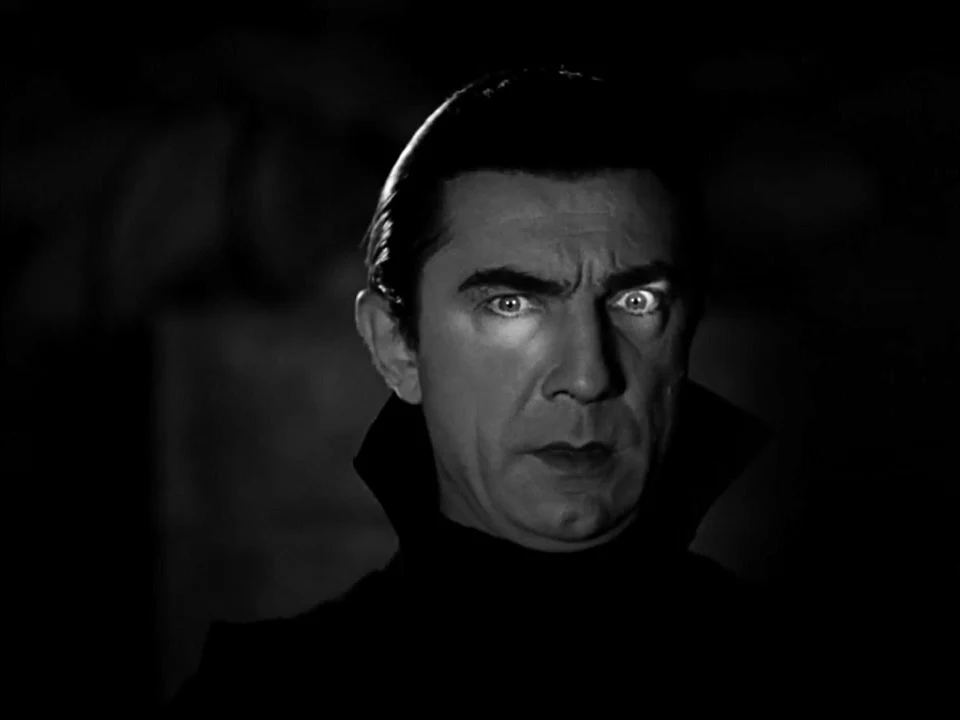
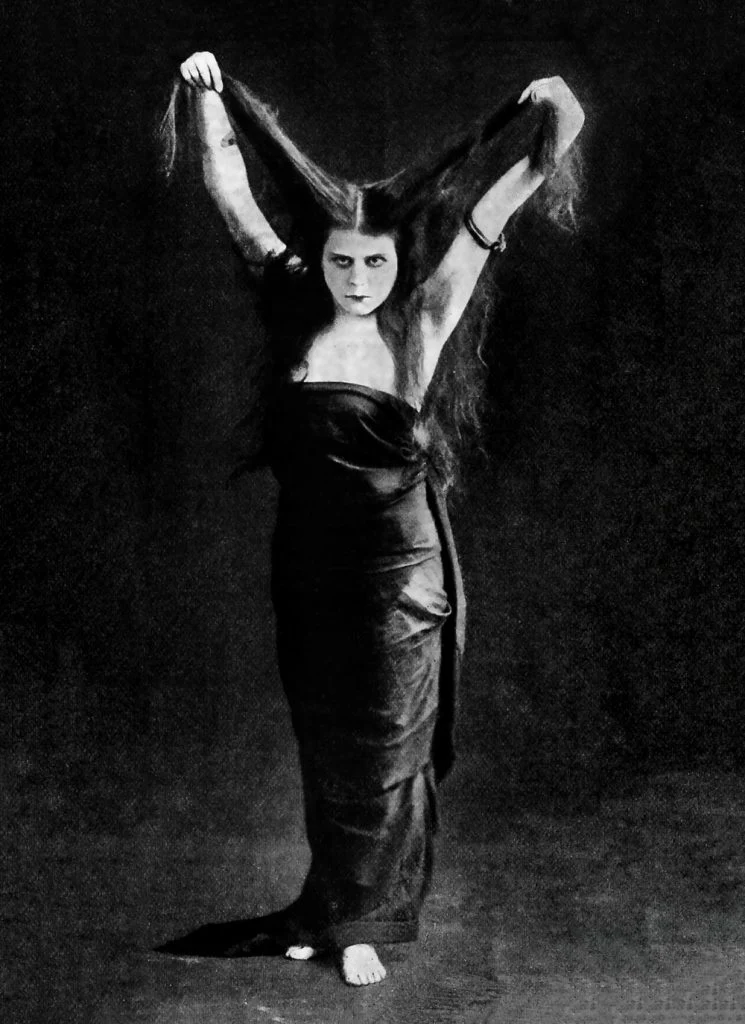
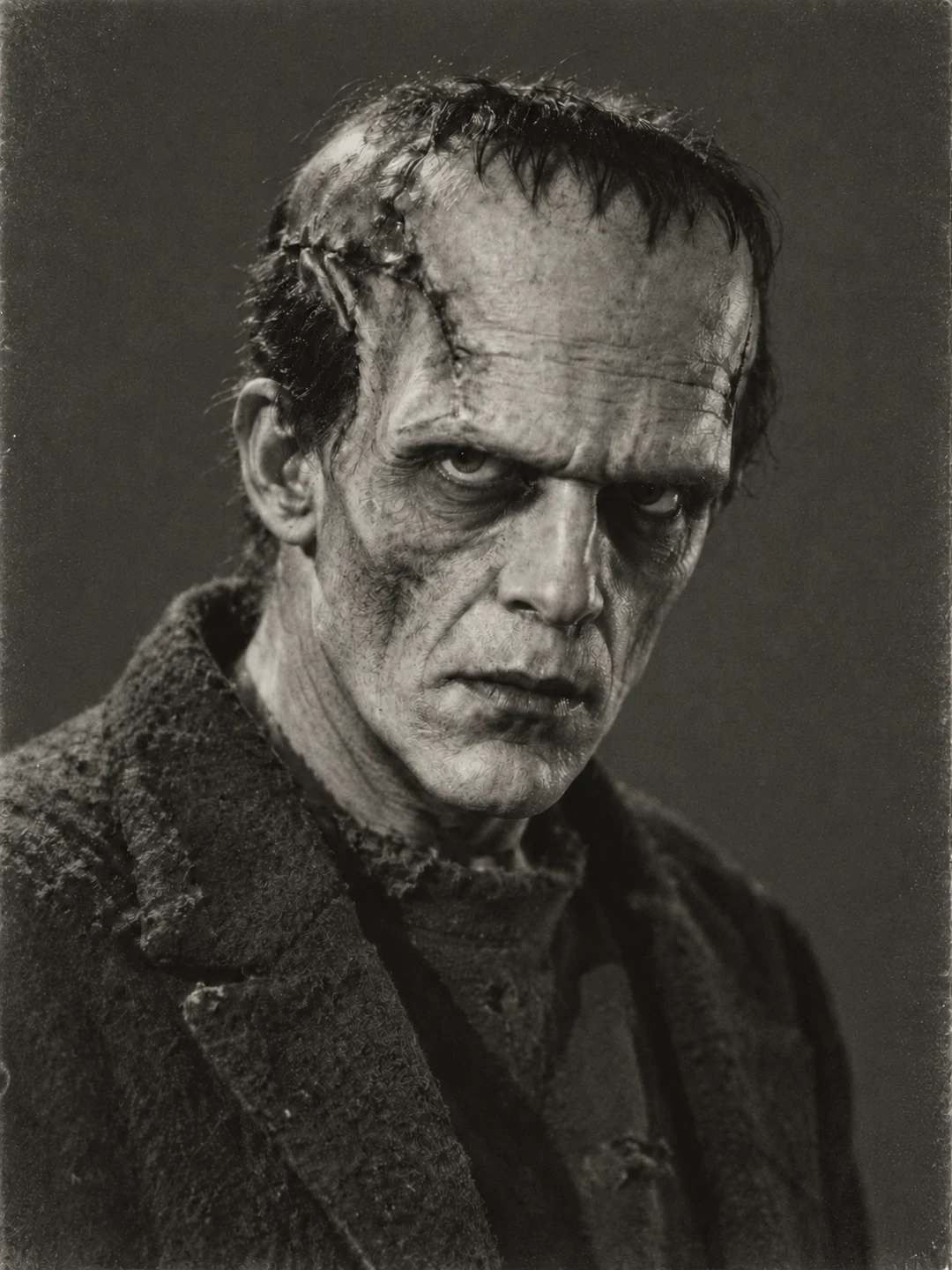
Classic horror screen imagery
These images accompany the Halloween theme, not historical evidence.

7. The Bell Witch: A famous haunting with a missing contemporary record
An invisible tormentor attacks a Tennessee family and ultimately kills its father. That is the Bell Witch legend. The trouble begins when we ask when the account was written down.
Documented: John Bell died in Tennessee on December 20, 1820. North Carolina's Department of Natural and Cultural Resources distinguishes that fact from the later haunting narrative.
Folklore: The department reports no contemporary sources for the alleged haunting. It identifies an 1886 history as the earliest known printed mention and Martin Van Buren Ingram's 1894 book as the first full account. The diary supposedly underlying that book has not surfaced.
That does not stop the legend from being culturally powerful. It does stop us from treating a ghost's alleged poisoning as an established cause of death. The distance between an event and its surviving story matters.
Evidence and chronology: NC Department of Natural and Cultural Resources
6. Cropsey: The campfire monster met a real criminal case
The local boogeyman is supposed to disappear when children grow up. Cropsey became more troubling when filmmakers examined actual disappearances on Staten Island.
Documented: The 2009 documentary Cropsey, by Joshua Zeman and Barbara Brancaccio, explores the relationship between the legend they remembered and cases involving missing children. Separately, a published New York appellate ruling affirmed Andre Rand's first-degree kidnapping conviction in a judgment rendered in 2004.
What that does not establish: The documentary's frightening associations are not a verdict that every rumor is true. A kidnapping conviction should not become a blanket claim that Rand committed every disappearance discussed in the film, or that every version of Cropsey describes him.
The chilling intersection is real, but the boundary matters: folklore, documentary investigation, and a court's findings are three different kinds of evidence.
Film context: Tribeca Festival · Court record: People v. Rand
5. The LaLaurie mansion: The documented abuse is horrifying enough
An elegant New Orleans facade has become shorthand for a haunted house. Behind its reputation is a history that should not be reduced to ghost-tour decoration.
Documented: Historian Carolyn Morrow Long's entry for 64 Parishes, published by the Louisiana Endowment for the Humanities, describes an April 10, 1834 fire at Delphine LaLaurie's Royal Street home. It exposed seven enslaved people who had been starved, tortured, and chained. LaLaurie escaped, and a furious crowd subsequently attacked the house.
Later embellishment: Long explicitly distinguishes the events from the rumors, legends, and folktales they generated. Claims of supernatural activity or increasingly elaborate torture scenarios require their own evidence.
The real horror was human cruelty within slavery. It does not need a ghost to make it frightening, and the people who suffered deserve more than supporting roles in someone else's haunted-house story.
Historical account: 64 Parishes
4. Anneliese Michel: The exorcism story ended in a courtroom
Possession stories invite us to listen for a demon. This case asks us to look at what happened to a young woman instead.
Documented: Anneliese Michel died in Germany in 1976 after undergoing exorcisms. Germany's Federal Agency for Civic Education recounts the case in its educational material for Requiem. In 1978, her parents and two priests received suspended sentences for negligent homicide by omission; the account explains that the court found they should have obtained medical help.
Unproven claim: Belief that she was possessed is part of the history of the case. It is not proof of supernatural possession. Recordings or unusual behavior cannot establish that conclusion by themselves.
The factual turn is devastating: the documented outcome was a death and criminal convictions. We can discuss the beliefs involved without presenting those beliefs as a medical explanation or a supernatural finding.
Educational historical account: Federal Agency for Civic Education, pp. 18–19
3. Hoia-Baciu: The haunted forest is also a real tourism phenomenon
A forest where people supposedly vanish and return unchanged sounds like somewhere we should decline the night tour. The evidence supports a different kind of phenomenon.
Documented: Hoia-Baciu, near Cluj-Napoca in Romania, attracts visitors interested in frightening legends. A 2025 academic study examined its role in fear and dark tourism, using visitor accounts and media material to study the attraction.
Folklore: Stories include disappearances, unexplained lights, and a girl allegedly returning after years without aging. These are legends described in the research, not findings that time travel, paranormal disappearances, or unusual forces have been demonstrated.
The important twist is methodological: a scholarly paper about why a haunted forest attracts people is not a scientific certification that the forest is haunted. Fear can be a real experience even when its proposed explanation remains unsupported.
Research: “Definitely gets the Adrenaline Pumping!”
2. Salem: No bonfire was required for the nightmare
The popular image is immediate: accused witches burning at the stake. For Salem, that image gets the history wrong.
Documented: The Peabody Essex Museum identifies Proctor's Ledge as the location where 19 victims of the Salem witch trials were hanged. Giles Corey died after being pressed beneath stones when he refused to enter a plea. Others died in prison.
Myth: Salem's victims were not burned at the stake. Confusing different places and periods produces a familiar picture that obscures what actually happened in Massachusetts.
The historical truth is frightening enough: accusations and legal proceedings led to innocent people's deaths. We do not need a theory that witchcraft was real to understand the horror. Nor should a single speculative explanation for the outbreak be presented as settled history.
Museum history and surviving records: Peabody Essex Museum
1. The War of the Worlds: The scare acquired a legend of its own
On October 30, 1938—Halloween Eve—Orson Welles and the Mercury Theatre presented a radio invasion from Mars. The aliens were fictional. The questions about the audience's reaction have lasted much longer.
Documented: The CBS drama used simulated news bulletins. The National Archives preserves letters and telegrams showing that listeners complained, worried, and debated broadcasting's responsibilities. Announcements identified the show as a dramatic performance.
Disputed scale: Some listeners were frightened, but the familiar claim of nationwide mass panic is contested. The Library of Congress describes how sensational newspaper accounts helped establish that larger narrative. We cannot responsibly turn scattered reactions into a count of millions fleeing their homes.
It is an excellent Halloween double twist: a fictional invasion produced real responses, and those responses helped generate another story whose most dramatic version needs checking too.
Primary documents: National Archives · Historical reassessment: Library of Congress, July/August 2016
You Won't Believe the Rest of the Story
The Bell Witch's strongest twist may be the date on the book. Ingram's full account appeared in 1894, decades after John Bell's 1820 death. The supposed earlier diary has never surfaced, according to NC's cultural-resources department.
That is a useful question to take into every frightening thread this Halloween: How close is the source to the event? A tale can be memorable, influential, and sincerely believed while still lacking the evidence needed to call it history.
For scares we can deliberately switch off, try our 10 smart-home Halloween ideas. For technology that feels as if it wandered out of a screenplay, explore 10 creepy gadgets that actually exist.
10 Geeky — News You Need to Know. Tech You Gotta Have.