
ELECTION 2026 · FOLLOW THE MONEY
Why Does Running for Office Cost So Much?
The ads are the visible part. Behind them sits an operation with salaries, software and a very expensive deadline.
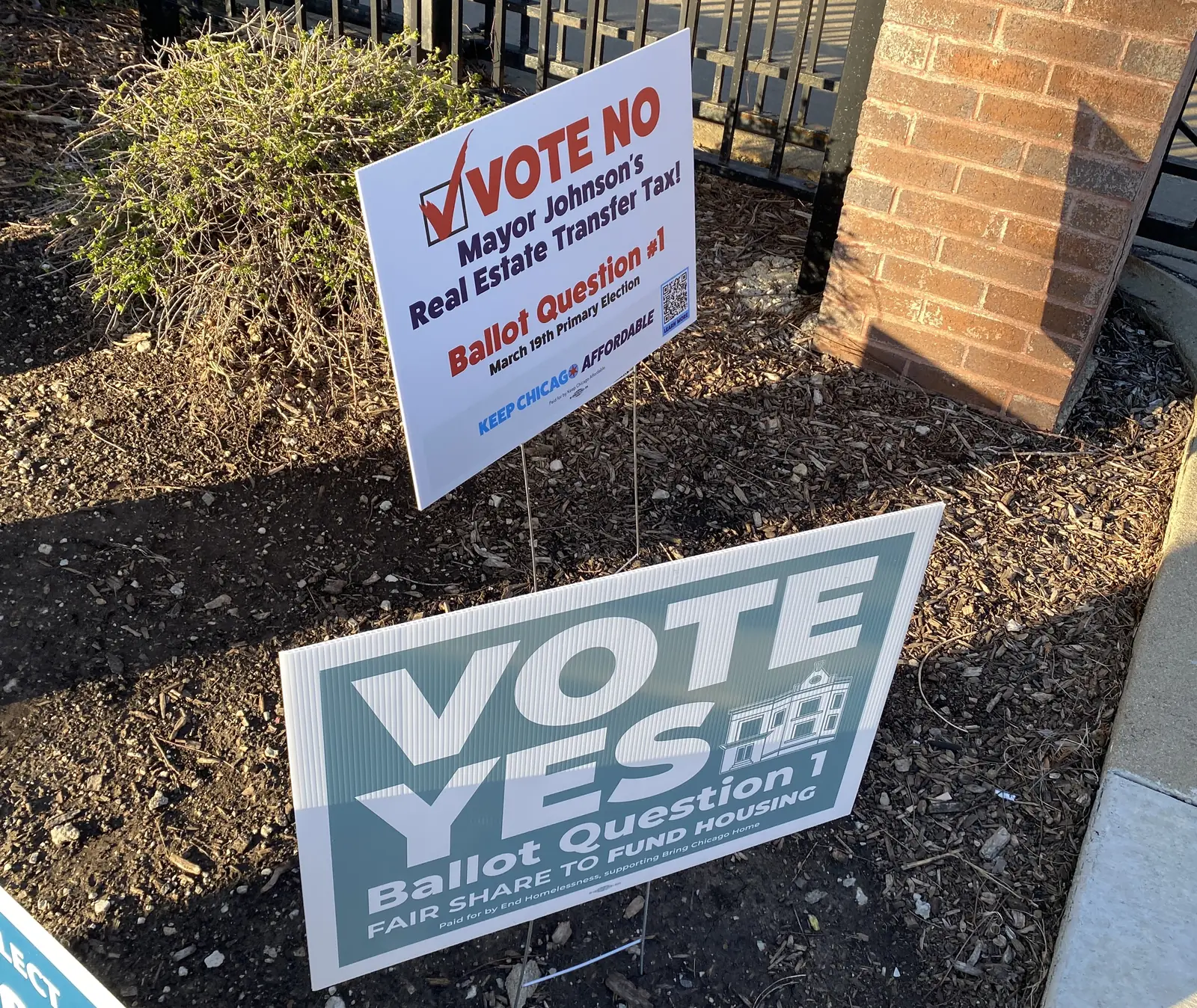
Election Day is over, and the ads have left us with a question the fundraising emails never quite answered: Why does asking for our vote cost so much? The answer starts behind the candidate, with people, advertising, travel and technology. Explaining those bills, though, does not prove every dollar was necessary.
A candidate comes with an operation
The FEC’s operating-expense guidance covers such costs as staff salaries, rent, travel, advertising, phones and equipment. Fundraising can cost money, too. Think of a campaign as a temporary organization with an immovable deadline.
Someone has to organize appearances, coordinate supporters and handle bills. Volunteers can help, but donated time does not make rented space or transportation free. How large that operation becomes is a campaign decision, rather than a fixed price for putting a name on the ballot.
The tech stack sends invoices
A donation page may look simple. Behind it, campaigns can pay for software, databases, cybersecurity and processing services. Those are among the spending descriptions recognized by the FEC.
Digital outreach has real costs, but a technology bill deserves the same scrutiny as an advertising bill. What did the operation buy, who provided it and what did it accomplish? A modern-looking website is not evidence of a well-run budget.
Keep the different pots of money separate
Under 2025–2026 federal contribution limits, an individual generally may give a candidate committee $3,500 per election. A primary and general election have separate limits. Outside independent spending operates under different rules.
That makes a race’s reported price tag worth examining. Does it mean candidate spending, outside spending or both? Money raised is also different from money spent or cash remaining. Mixing those measures can make a comparison sound more revealing than it is. State and local campaigns have separate regulatory systems.
The useful part is the paper trail
For House and Senate committees, itemized operating expenditures identify the recipient, purpose, date and amount after payments exceed $200, including payments aggregated to the same recipient during the election cycle.
Those records let us ask a better question than whether a campaign spent a fortune: What did it get for the money? A large budget shows financial activity. It does not, by itself, establish efficiency, public enthusiasm or a guaranteed victory. Our vote is still a choice, rather than a receipt for the biggest advertising purchase.